

In keeping with the theme of this blog, I thought I’d shout out some of the more politically engaged releases from this year. A big commonality between them is that these artists aren’t afraid to face social issues head on rather than burying the lead in the subtext. Hope you find something you enjoy!
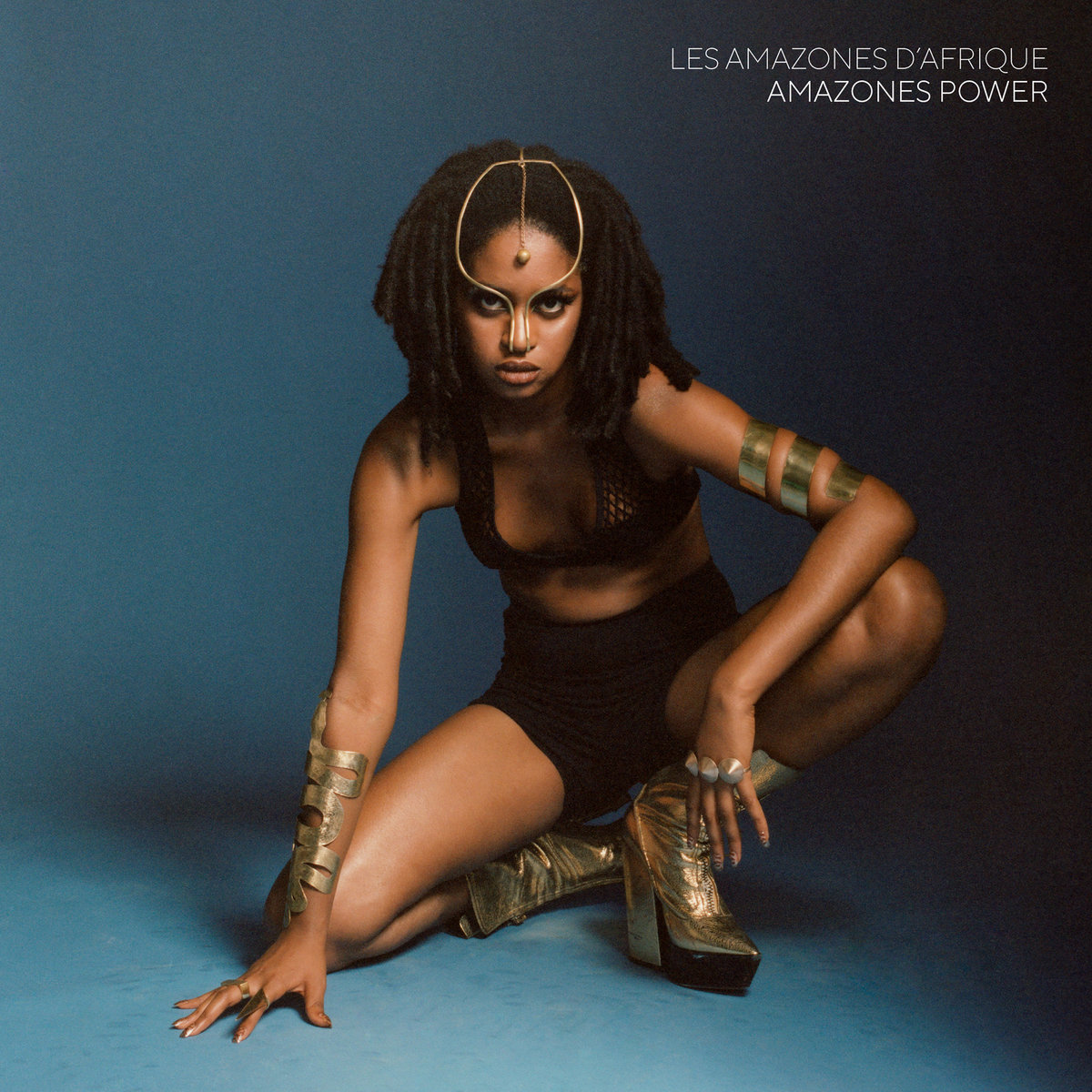
Les Amazones d’Afrique – Amazones Power
Les Amazones d’Afrique is a supergroup of African women that has featured stars such as Angélique Kidjo, Oumou Sangaré, and Amadou & Miriam. They decided to form after conversations around gender equality led them to speak out on issues like sexual violence, forced marriage, and sexual identity. The music here is powerful, with a huge roster of vocalists adding a great deal of variety. It is able to address dark topics while still staying energetic and uplifting.
The influences here include hip hop, dub, Afrobeat, electronic, Tuareg rock and more. A standout track, “Sisters,” is a good example of this eclecticism in that it has a growling electronic bass and a funk groove mixed with regional string instruments. It’s impressive that the album is so ambitious in both its music and its subject matter. All around it is a very enjoyable album whose accessibility gives it a great platform to make a difference.
Dorian Electra – My Agenda
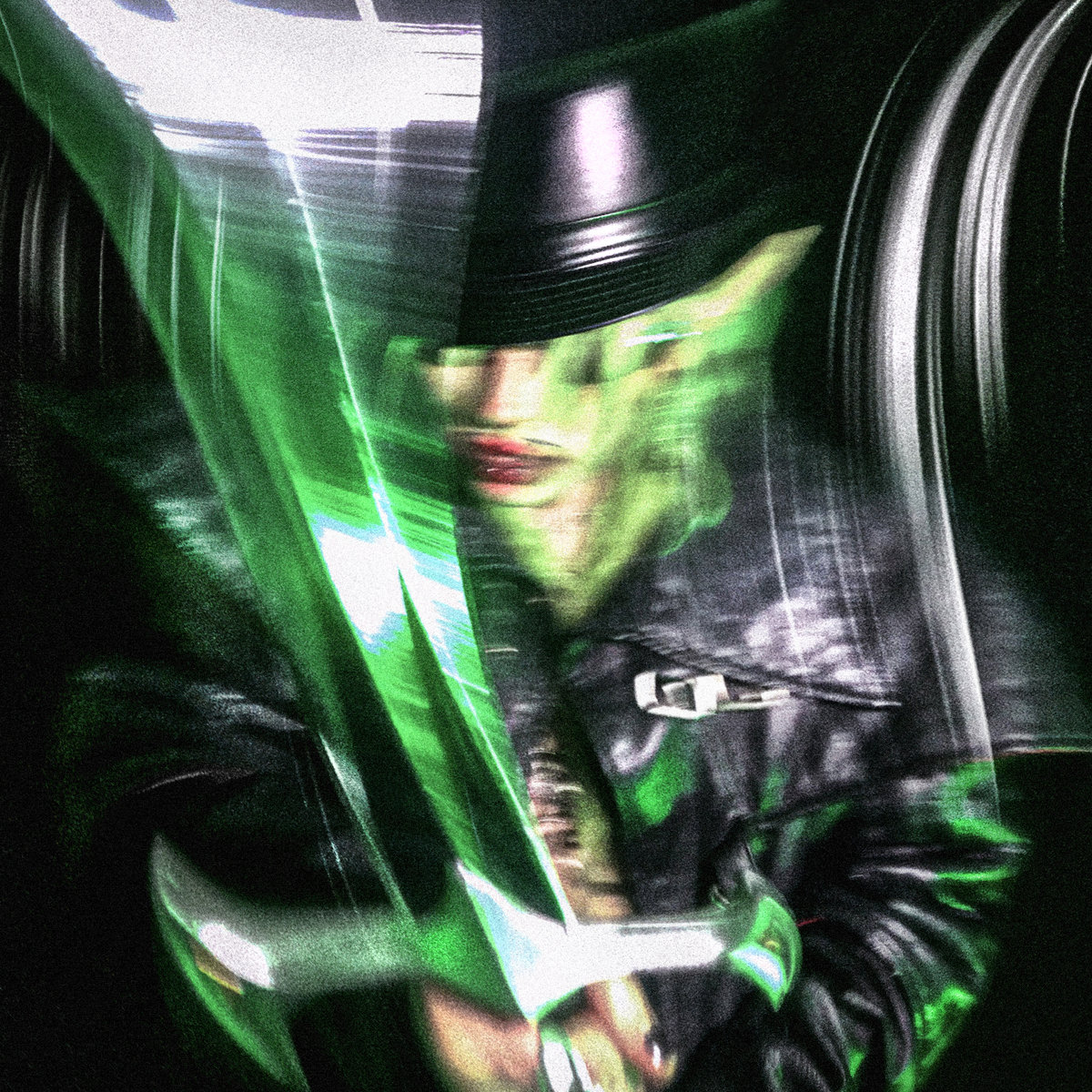
Dorian Electra follows up one of my favorite albums, Flamboyant, with another release that goes to war with gender norms and stereotypes. The cover art presents a good representation of what Dorian is trying to evoke on this album: a distorted parody of masculinity as a fedora-wearing knight. This is evident on “Edgelord,” where Dorian portrays a guy who has entered their Joker mode and now seeks revenge against society by offending people on the internet. The song is hilarious, poignant and goes hard at the same time. I find this comedic aspect particularly impressive, because Dorian manages to inject humor into everything they do without coming off as a novelty act. They’re an artist who I could see collaborating with The Lonely Island or Weird Al and yet they are not easily categorized as comedy music. A lot of that genre contains ironically annoying music, and while Dorian will use a cheesy sax synth here and there, everything is composed in such a compelling way that it seems to transcend beyond irony.
My Agenda is an album that mocks ridiculous conspiracies about the gay agenda that will turn the frogs gay. And yet it really does turn the frogs gay. It pushes a gay agenda forward, but it’s an agenda of openness and experimentation rather than the authoritarian agenda that plagues the mind of paranoid conservatives. These conservatives are taken to task on “Ram It Down,” one of the boldest songs on the album (and that’s saying something). Again, Dorian steps into the shoes of a toxic male. This time it’s a man who pretends to be okay with gay people, but just wants to never have to see any of them by living in a Don’t Ask, Don’t Tell world. He says he doesn’t want it rammed down his throat until… he ends the song begging to rammed. This song is such a succinct look into the minds of homophobes who have repressed homosexual feelings (which is all of them). Within this song, Dorian has found a true commonality with the toxic straight men that they have been parodying: They are all gay. By wrapping strong messages in humor, Dorian avoids the dreaded pitfall of preachiness that makes people so scared to make radical music. Their musicality as well as their lighthearted approach to social issues really made My Agenda stand out this year.
Elysia Crampton – ORCORARA 2010
Elysia Crampton is an indigenous trans artist who uses experimental music to explore identity in heavily abstracted ways. She lives in Bolivia and much of her music deals with the survival of her Aymaran culture from that area. ORCORARA 2010 begins ominously, with the lowest octave on the piano and sound effects that sound right out of a horror movie. It introduces itself as an album that is not easy to listen to, though there is a surprising amount of beauty enmeshed in the cacophony of the opening song. Unlike Elysia’s more club oriented music, this album uses an ambient palette to slowly build a disturbing atmosphere.
Much of the opening half of the album features the poetry of Jeremy Rojas, which he delivers in an otherworldly monotone. Elysia’s description of the album says it is about intergenerational trauma from Christian violence, and Rojas does an amazing job of conveying that trauma simply through his voice. The poetry is surreal and disorienting, much like the music. Many more guests appear as well, including some beautiful vocals from the elusive Embaci. Though there is discomfort weaved in throughout this album, ORCORARA still brings forward hopeful visions like in “Abolition (Infrared).” Comparatively gentle, this song glistens with strings and chimes that invite you to imagine a better world without police, prisons, imperialism, etc. This album also contributes to these goals directly, by putting its proceeds towards the American Indian Movement, so feel free to pick it up here if you are interested!
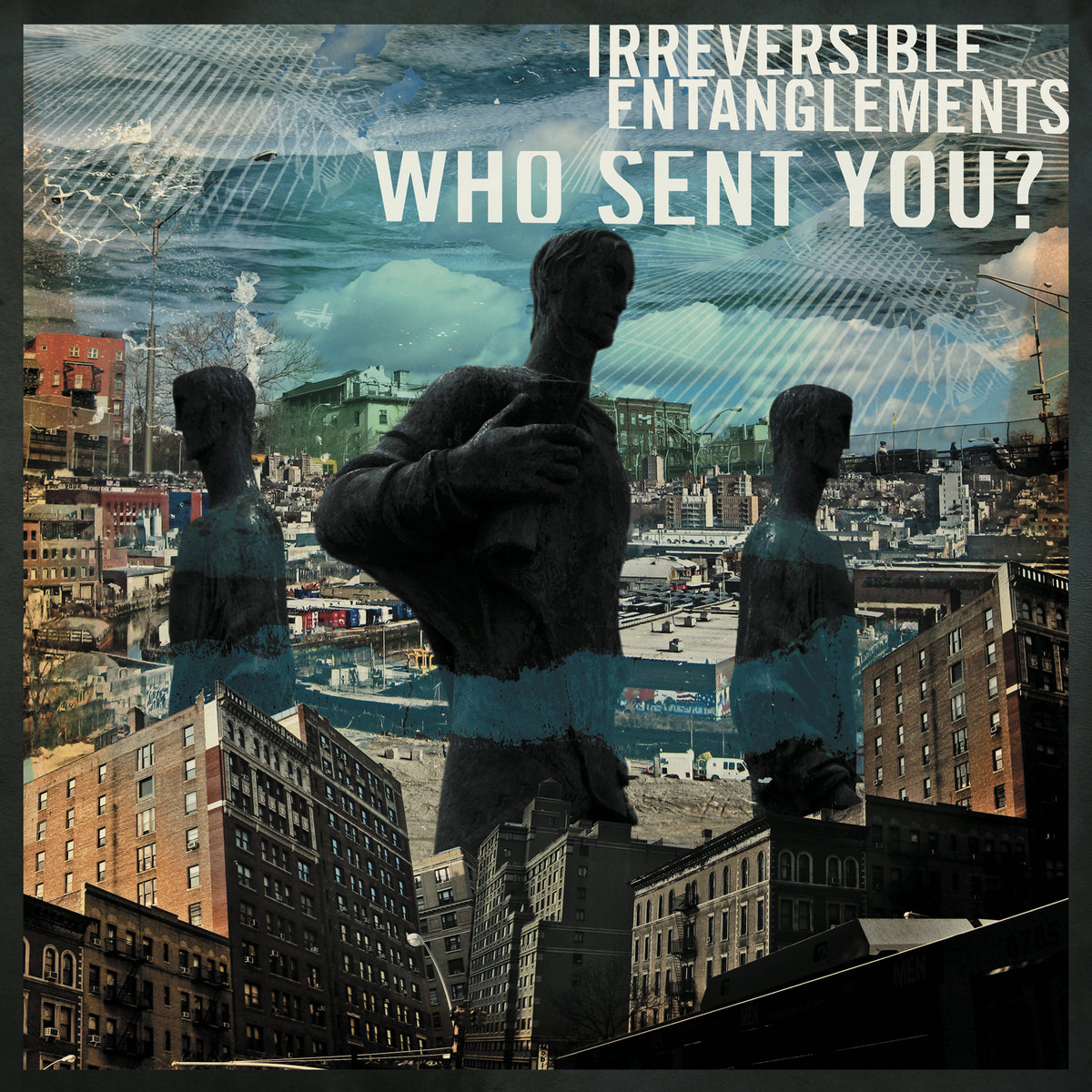
Irreversible Entanglements – Who Sent You?
Camae Ayewa (Moor Mother) continues her run of impressive albums with Who Sent You, where she contributes spoken word over the music of the jazz band Irreversible Entanglements. The tracks here are teeming with energy, slowly building around Ayewa’s vocals. Midway through the first track she demands to know, “At what point do we stand up?” With our horrific social crises only exacerbating as of late, this question steps beyond the rhetorical and into an urgent demand. The free jazz here could easily be dizzying on its own, but it feels much more grounded serving as the foundation for Ayewa’s rage-inflected vocals.
The album’s title (Who Sent You?) comes into play on the second track, where it is furiously repeated in the lyrics. At face value it is addressing the police, asking why they go invade people’s communities and “serve” where they are not wanted. But “Who Sent You?” appears to double as a cry for self reflection, making us ask ourselves what our purpose is in the midst of all this chaos and oppression. The band themselves does it best when they describe this album as “an entire holistic jam of ‘infinite possibilities coming back around,’ a sprawling meditation for afro-cosmonauts, a reminder of the forms and traumas of the past, and the shape and vision of Afrotopian sounds to come.”

NNAMDÏ – Black Plight
On top of making one of my favorite records of the year, NNAMDÏ took the time to address the political climate around protests on his succinct EP, Black Plight. He abandons the experimental R&B of BRAT, and instead looks backward to his math-rock years to channel the anger felt around the George Floyd protests and police brutality. In three short tracks he makes more poignant statements than many artists do in a whole album.
From quotables like “You can fix a Target but you can’t bring a person back to life,” to “Had to burn it all down just to be heard / but still we ain’t heard,” Black Plight is full of relevant commentary on today’s social injustice. Each song is backed up by wonderful music ranging from his quirky brand of math rock to hardcore punk. He writes about important and painful issues with a sense of humor and brightness that keeps the messages from sounding too preachy, even if they are preaching.
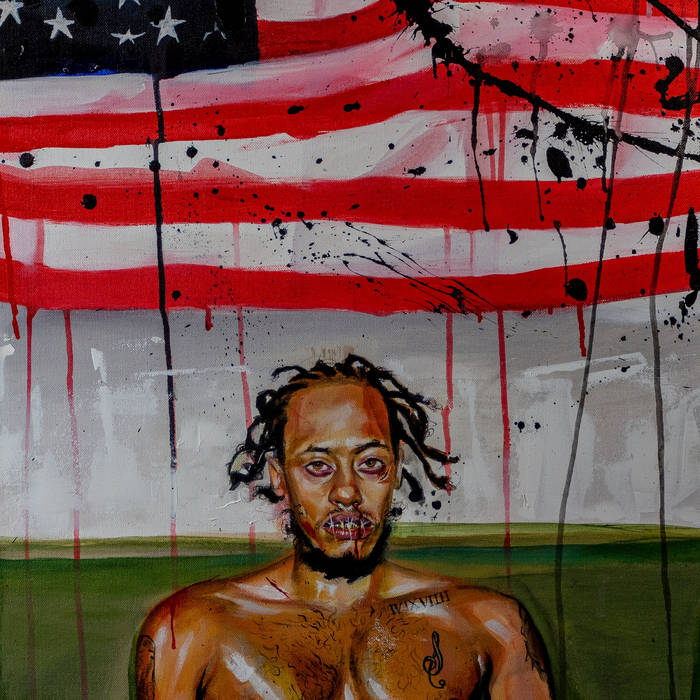
Pink Siifu – Negro
With a hard left turn from the soulful music of his that I am familiar with, Pink Siifu continued his constant output of music with the noise / punk / jazz / protest album Negro. Far from the seductive rap / R&B of ensley, the music here is harsh and difficult. He seemed to really want to capture the rage that can be felt from this political moment, particularly around racial oppression in the US. In the album description, he writes, “peace be upon u with love. black be tha god. tke tyme n enjoy. life is short. choas [sic] is necessary. u are allowed to be angry. tha balance is needed.” That anger is there off the bat, with the first song made up of dissonant jazz squeals and distorted drum beats at breakneck speeds.
This album is completely unafraid to be ugly; it is filled with harsh screams and clipped audio quality that would make a lot of punk bands seem highly produced in comparison. “ameriKKKa, try no pork” is a horrifying sound collage of news reports on police executions of black people and a witness report that is electronically effected nearly beyond comprehension. It leads into what I would consider the album highlight, “run pig run.” It is a disorienting mix of eerie industrial music and threats to cops. In a panicked monologue he exclaims, “Right now, you’re supposed angry,” and the rage behind those words can truly be felt in a way that simply can’t be done with more conventional production and songwriting.
The record makes plenty of space for anger, but it also has its moments of heartbreak, like on the slowed mournful vocals of “myheartHURT.” These two moods can be heard in conjunction in “ON FIRE, PRAY!” where searing punk dissolves into sad lo-fi lounge music. This is an artist who has their feet firmly placed in many different music scenes at once and I don’t know of a single other artist who sounds like this.
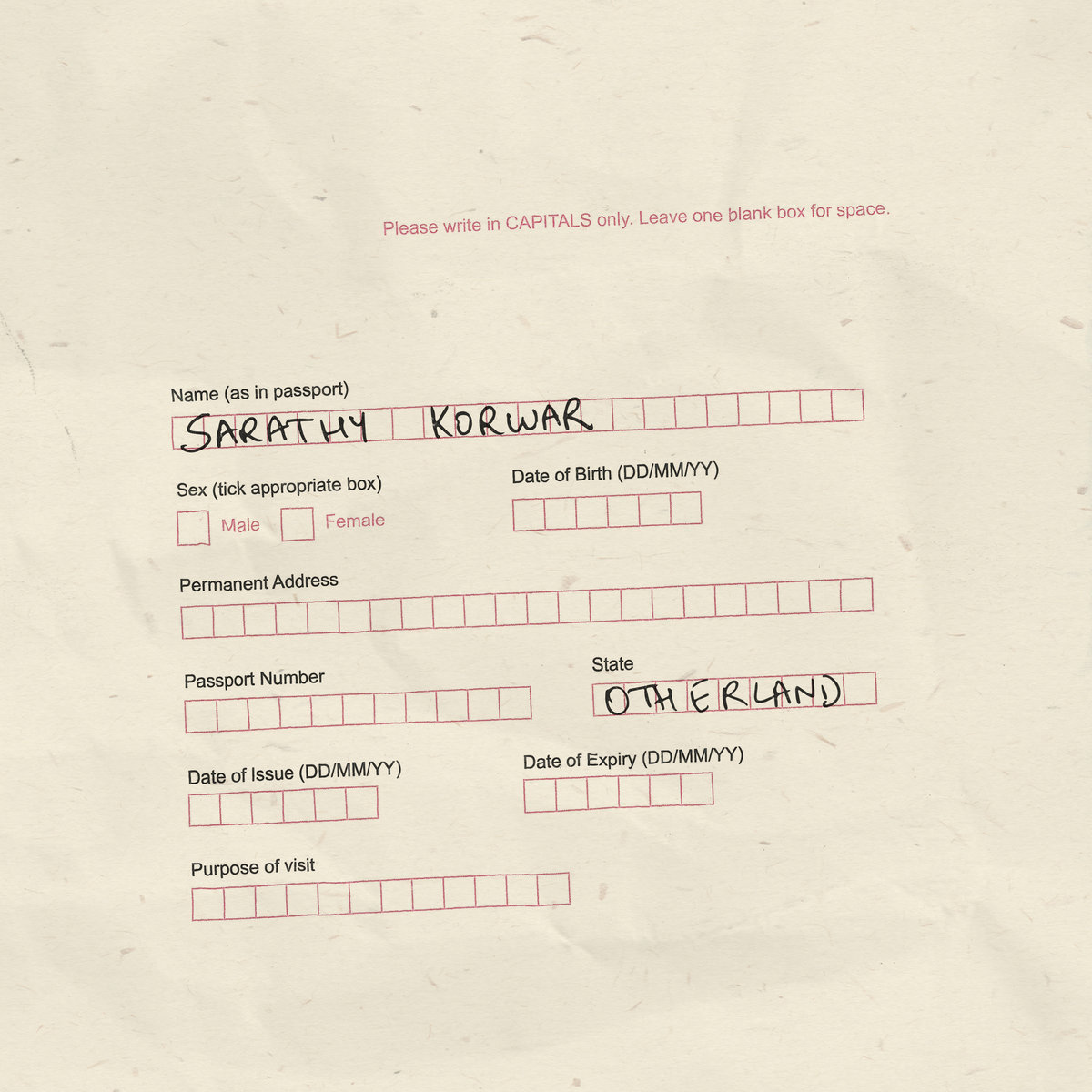
Sarathy Korwar – Otherland
Jazz percussionist Sarathy Korwar was born in the US, grew up in India and is now part of the UK jazz scene. These diverse backgrounds all play a part in the eclectic style he brings to jazz music. On the opener “Birthright,” tabla playing, street sounds and chanting greet the listener. Then comes in a powerful deadpan vocal delivery from poet Zia Ahmed with some wonderful minimalist keyboard lines. He intones, “‘Mi casa es su casa,’ says the man who stole your land… Does the land stitch itself back together? Do people stitch themselves back together?”
The pressure of the song builds as the hypnotic keyboard lines stay relentless, the lyrics become more pointed and more singing voices are introduced. Suddenly, most elements drop out and we are left with only percussion and a repeating line referencing our rising seas: “Higher and higher / water on fire.” Though the title “Birthright” first brings to mind the Israeli propagandist group offering free trips to Israel, the song’s targets range from all settler-colonial states to the entitlement of those who destroy our environment. The EP continues on with the funky “Juggernaut” and two energetic remixes. It’s a burst of creativity that is able to be profoundly inspiring in a short amount of time.
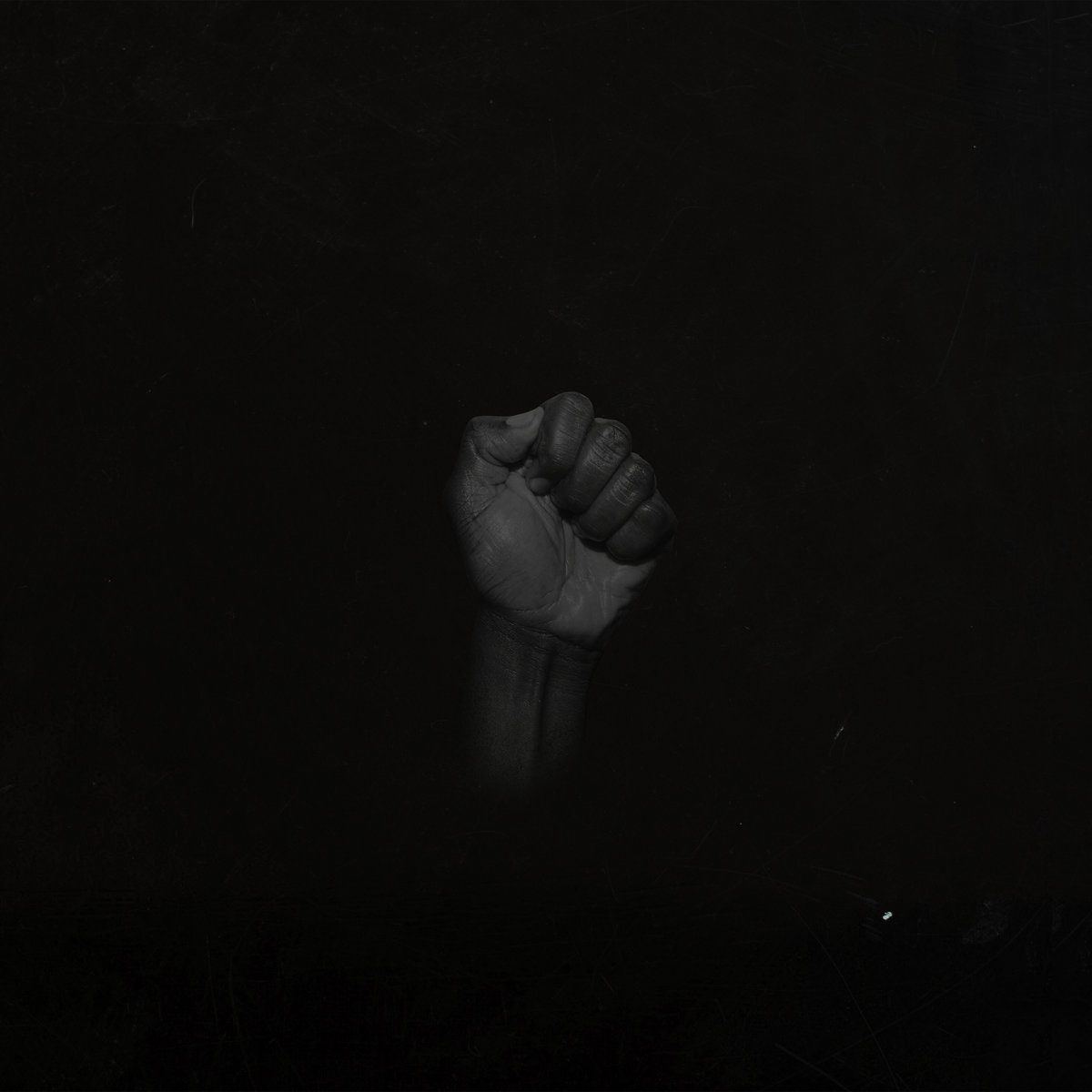
SAULT – Untitled (Black Is)
The monologue on the first song of this album opens with a line that seems counter-intuitive at first: “Black is safety.” After a year of witnessing mass police violence against black people as well as the people willing to protest alongside them, that might be a hard one to buy. But it becomes clear they mean that blackness becomes a “lifeboat” when family and community endure and help each other out against all odds. It’s one beautiful statement among many on Untitled (Black Is), the first in a pair of albums this year from the mysterious group SAULT.
This album has incredible range, from the laid back R&B of “Hard Life” to the angry funk of “Stop Dem.” The vocal performances are dripping with personality, which is ironic given that the members have yet to appear in a photo or confirm their true identities. The relative anonymity lends this album a sense of authenticity, showing that these musicians seem to be creating to support the black liberation movement above all else. One of the few confirmed guest features is Michael Kiwanuka, and it’s easy to see that they are expanding upon the eclectic mixture of black ’70s music that has been in his past two albums.
The music on here is fun and grooves well while also containing great melancholy and beauty. The lyrics are pervaded with a righteous wish to survive. Whereas the easy take on this year is pessimism and cynicism, SAULT managed to address important issues head on while retaining a contagious sense of grace and hope for the future.
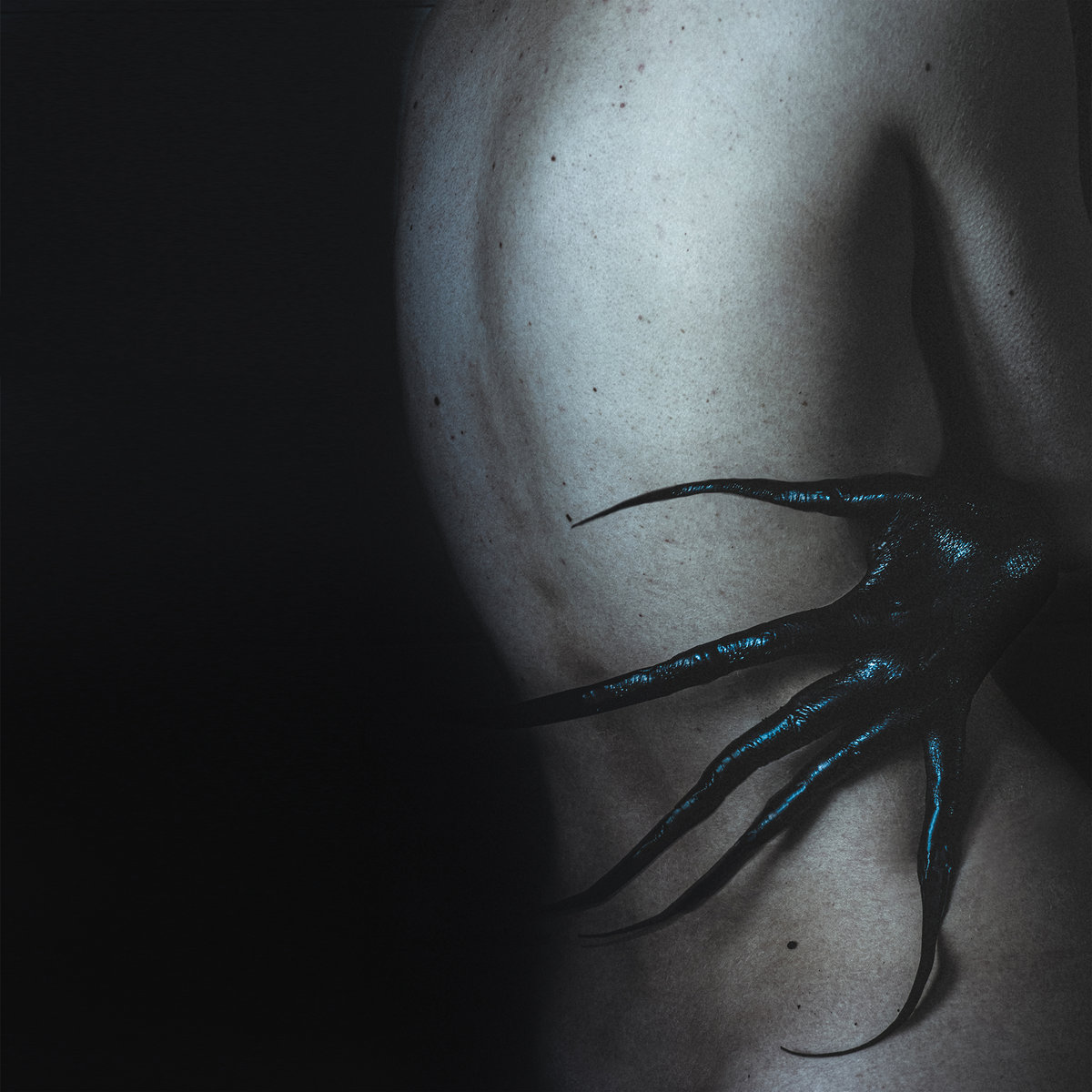
Sexores – Salamanca
Sexores are a goth duo from Ecuador. They describe their music as a mix of darkwave, dreampop, poetry, magic and sonic experimentation. Their album Salamanca is a rumination on feminism and witchcraft in Latin American culture. Speaking to Remezcla on her goals for the album, singer Emilia Bahamonde Noriega says, “We wanted to talk about how women have been written off as witches because they don’t fill the roles they are supposed to fulfill, like ‘wife’ and ‘mother.’ I have lived through that as a woman my whole life and I have seen it in my profession. I wanted to turn it around, not to victimize myself but to empower us. We’re sick of getting killed, the death rates are very high and the authorities are not doing enough to stop them rising.”
To paint these issues Sexores uses airy vocals, shoegaze guitars and synths, and pummeling percussion that keeps things from getting too muddy. “Volantia” and “The Depressing Sounds of the Witch” in particular are ear-grabbing songs that shine through all of the dreamy haze. Though there are beautiful depressive atmospheres here that are to be expected from a goth band, there are many fun and uplifting moments on here as well. Many lines speak to feminine resiliency, such as “I am the witch they couldn’t defeat.” Salamanca is part of a beautiful trend of women reclaiming indigenous witchcraft that has been used to demonize them for so long. Noriega describes recording the record as “a liberating experience” and the same could be said of listening to it.

Speaker Music – Black Nationalist Sonic Weaponry
Perhaps the most overtly radical release on this list, Black Nationalist Sonic Weaponry is an album that is not afraid to show its true colors. It opens with “Amerikkka’s Bay,” where Maia Sanaa delivers an impassioned rap about one of the countless killer cops out there who comes home to his family unaffected after ripping apart someone else’s. The only accompaniment Sanaa has is a fast-tempo drum machine, which creates a very frantic mood throughout. The album is completely centered around drum machine, with very few tonal elements at all. While I usually have difficulty enjoying music without a lot of harmony, this album makes up for it with incredibly complex and engaging rhythms.
Speaker Music’s goal is to Make Techno Black Again, referring to techno’s deep history from its Detroit roots to impactful experimentalists like Drexciya. Speaker Music does a great job of this, both by centering blackness in the song titles, but also by incorporating other black genres like jazz and footwork. The song “It is the Negro Who Represents the Revolutionary Struggles for a Classless Society” is a good example of this pairing, given its title and its innovative use of saxophone solos and noise. “African American Disillusionment…” is another interesting experiment mixing audio of political pundits and scattered percussion. And while the dialog here plays into the unfortunate dichotomy of “black protesters vs. white anarchists” that leaves little room for black anarchists, there are still important points being made about how black people face higher consequences for the risks that white protesters take. While the percussion on this album is an erratic constant, Speaker Music brings in surprises again and again, from new vocalists to electronically manipulated trumpet. It’s a precious thing to see an artist with such a great sense of musical and political ambition.
~~~~~~~~~~~~~~~~~~~~~~~~~~~~~~~~~~~~~~~~~~~~~~~~~~~~~~~~~~~~~~~~~~~~~~~~~~~~~~
And that does it for my list! I have a Youtube playlist of other favorite albums of the year linked below as well, which I hope you will enjoy.
2020 Favorites
Thanks for your time, and wishing you a fruitful new year!
 Freeing Music